

 Emadlangeni Radio
Greetings, family of Emadlangeni! On our ongoing quest to explore the rich tapestry of sounds from the African continent and the diaspora, we turn our focus to a genre that is more than just music—it is the heartbeat of a nation’s struggle, hope, and ultimate triumph. Today, we delve into the profound and soul-stirring history of South African Jazz.
This is not merely a story of musical notes; it is a story of resilience, identity, and the unyielding spirit of a people who found freedom in sound long before they found it on the ground.
The Roots: American Influence Meets African Soul

The story begins in the early 20th century. As merchant ships docked in Cape Town, they brought with them more than just goods; they brought the nascent sounds of a new genre from the United States. By the 1920s, the first recordings of New Orleans jazz had made their way to South African shores, sparking an instant connection .
Local musicians absorbed these new sounds, but they didn’t simply imitate them. In vibrant urban hubs like the Sophiatown neighborhood of Johannesburg—a legendary melting pot of culture and creativity—and among the Xhosa nation in Queenstown, a unique fusion was born. Bands like The Jazz Maniacs began to blend the big-band swing of Count Basie and Duke Ellington with traditional Zulu rhythms and melodies, creating a sound that was entirely their own . This was the seed of a new musical language.
The Pioneers and the “King Kong” Moment
By the 1950s, South Africa had a thriving jazz scene. Musicians learned their craft in nightclubs and at legendary jam sessions, with some even mimicking the exact styles and personas of American jazz greats—giving rise to figures like a “Cape Town Dizzy Gillespie” . This environment nurtured a generation of extraordinary talent.
One of the first major groups to emerge was The Jazz Epistles, featuring a lineup of future legends: trumpeter Hugh Masekela, pianist Abdullah Ibrahim (then known as Dollar Brand), saxophonist Kippie Moeketsi, and trombonist Jonas Gwangwa. They became the country’s first bebop group and the first jazz ensemble to record an album .
A pivotal moment came in 1959 with the musical King Kong. Written as a social commentary on the lives of Black South Africans, it was a massive cultural event. It brought together an integrated cast and crew, defiantly performing to mixed-race audiences against the wishes of the apartheid government . Crucially, King Kong gave many musicians, including members of the Jazz Epistles, a chance to obtain passports and leave the country, unintentionally setting the stage for the next chapter .
The Sharpville Massacre and the Exodus into Exile
On March 21, 1960, the course of South African history—and its jazz scene—was forever altered. The Sharpeville Massacre, where police opened fire on peaceful protesters, led to a brutal crackdown by the apartheid regime. Venues were shut down, gatherings of more than ten people were banned, and censorship became absolute .
For jazz musicians, the lifeblood of their art—live performance and community—was choked off. A mass exodus began. Icons like Hugh Masekela, Miriam Makeba, and Abdullah Ibrahim left their homeland to seek refuge and work abroad .
Voices of Defiance on the World Stage
In exile, these artists did not stay silent. They became the international voice of the anti-apartheid movement, using their music as a powerful tool for protest.
- Hugh Masekela landed in the US, where he fused jazz with funk and pop, scoring a #1 hit with “Grazin’ in the Grass.” But he never forgot home, writing anthems of resistance .
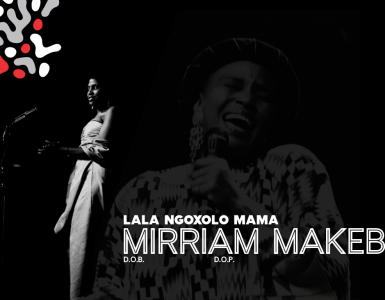
- Miriam Makeba, known globally as “Mama Africa,” became an iconic symbol of Black identity. Her 1967 hit “Pata Pata” brought her global fame, but she used her platform to speak out relentlessly. Her searing performance of “Soweto Blues,” written by Masekela, became a haunting eulogy for the children killed in the 1976 Soweto Uprising .
- Abdullah Ibrahim (then Dollar Brand) found a mentor in Duke Ellington in Paris, who helped launch his international career. Yet, his piano work remained steeped in the melodies and spirit of Cape Town .
The Sounds of Home: Cape Jazz and Township Grooves
While exile produced powerful anthems, the music at home continued to evolve in its own way, often in defiance of the state. In Cape Town, a unique subgenre known as Cape Jazz was flourishing. Rooted in the carnival music of the Cape, known as Goema, it was a vibrant, celebratory sound that spoke directly to the coloured and Black communities of the city .
In the townships, artists like Pat Matshikiza were keeping the flame alive. In 1975, at a time when disco and soul were dominating the airwaves, Matshikiza recorded the timeless classic “Tshona! ” with the great altoist Kippie Moeketsi. The song became an anthem of resilience, a classic as beloved as Ibrahim’s “Manenberg” or Winston Mankunku Ngozi’s “Yakhal’inkomo” . This was township jazz refusing to die.
A New Dawn: The Legacy Continues
With the end of apartheid in 1994 and the celebration of Freedom Day, many exiled musicians returned home. The story of South African jazz, however, is far from over. It is being written anew by a generation of virtuosos who honor the past while pushing the boundaries of the genre.
Today, artists like pianist Nduduzo Makhathini, saxophonist McCoy Mrubata, and trumpeter Lwanda Gogwana are at the forefront of a vibrant and globally recognized scene. They are part of a continuum that stretches back through Zim Ngqawana, Bheki Mseleku, and Dudu Pukwana to the pioneers of Sophiatown .
The Emadlangeni Playlist: A Starter Kit for Your Soul
We invite you, our listeners, to dive into this rich history. Explore the anthems of exile, the defiance of the townships, and the spiritual jazz of the new generation. Here are a few essential tracks to get you started on your journey:
- Miriam Makeba – Soweto Blues
- Hugh Masekela – Stimela (Coal Train)
- Abdullah Ibrahim – Manenberg
- Pat Matshikiza & Kippie Moeketsi – Tshona!
- Winston Mankunku Ngozi – Yakhal’inkomo
- Nduduzo Makhathini – Modes of Communication: Letters from the Underworlds
South African jazz is a testament to the power of art to transcend oppression and articulate the deepest longings of the human spirit. It is a music of pain, but ultimately, it is a music of joy, freedom, and profound humanity. Stay tuned to Emadlangeni Online Radio & Podcast as we continue to celebrate these sounds and the stories behind them.
Which South African jazz legend moves you the most? Let us know in the comments or send us a voice note!




Add comment